Exploring the Art of Ghost Imagery in Art
The realm of ghost imagery in art presents a fascinating intersection of the ethereal and the tangible, where the unseen is rendered visible through creative expression. This art form captivates by evoking emotions that range from eerie fascination to profound contemplation. It challenges the boundaries of perception and invites viewers to explore the liminal spaces between reality and imagination. As a multidisciplinary creative professional, I find that ghost imagery offers a unique canvas for storytelling, enabling the conveyance of complex narratives through subtle visual cues and atmospheric depth.
The Intricacies of Ghost Imagery in Art
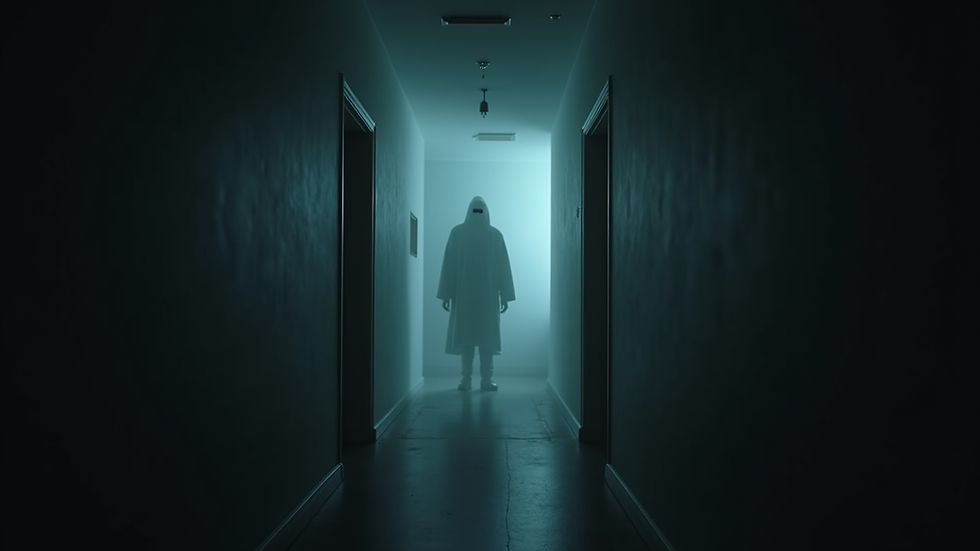
Ghost imagery in art is not merely about depicting apparitions or supernatural entities; it is an exploration of presence and absence, memory and oblivion, light and shadow. Artists employ a variety of techniques to evoke the spectral, including translucency, blurred outlines, and muted color palettes that suggest something just beyond the grasp of clarity. The use of negative space often plays a crucial role, allowing the viewer’s mind to fill in the gaps and engage actively with the piece.
In practical terms, ghost imagery can be achieved through multiple mediums such as painting, photography, digital art, and mixed media. For instance, long exposure photography captures movement and light trails that create ghost-like effects, while layered digital compositions can blend reality with fantasy seamlessly. The choice of medium influences the emotional tone and interpretive possibilities of the artwork.
Artists who specialize in this genre often draw inspiration from folklore, history, and personal experiences, weaving narratives that resonate on both intellectual and emotional levels. The subtlety of ghost imagery demands a careful balance between suggestion and revelation, ensuring that the artwork remains evocative without becoming overtly literal or clichéd.
Techniques and Tools for Creating Ghost Imagery
Creating compelling ghost imagery requires mastery over both conceptual and technical aspects. The following techniques are commonly employed to achieve the desired spectral effect:
Transparency and Layering: Utilizing semi-transparent layers in digital art or glazing techniques in painting to simulate the ethereal quality of ghosts.
Motion Blur: In photography and video, motion blur can suggest movement and impermanence, key characteristics of ghostly forms.
Desaturation and Monochrome: Reducing color intensity or working in black and white enhances the timeless and otherworldly feel.
Soft Focus and Diffusion: Blurring edges and softening details create a dreamlike atmosphere that aligns with ghost imagery.
Lighting and Shadows: Strategic use of light sources and shadows can imply presence without explicit depiction, adding mystery and depth.
In addition to these techniques, the choice of setting and props plays a significant role. Abandoned buildings, foggy landscapes, and dimly lit interiors serve as ideal backdrops that complement the ghostly theme. The interplay between environment and subject amplifies the narrative potential of the artwork.
For those seeking to incorporate ghost imagery into their projects, it is advisable to experiment with multiple techniques and mediums to discover the most effective combination. Collaboration with professionals who specialize in visual effects or lighting can also enhance the authenticity and impact of the final piece.
Who is Matt Clark to Sharon Newman?
In the context of ghost imagery and creative production, understanding the relationships and influences among artists and collaborators can provide valuable insight. Matt Clark, often referred to by his moniker "Ghost," is a multidisciplinary creative professional whose work spans various industries including entertainment, consumer products, and automotive. His expertise lies in transforming ambitious ideas into fully realized productions, from initial concept through to market placement.
The connection between Matt Clark and Sharon Newman, while not widely publicized, can be understood through their shared involvement in creative projects that emphasize narrative depth and visual innovation. Sharon Newman, known for her work in storytelling and production, complements Matt Clark’s technical and artistic skills, resulting in collaborations that push the boundaries of conventional imagery.
Exploring the dynamic between these two creatives reveals how ghost imagery can be enriched by diverse perspectives and skill sets. Their partnership exemplifies the synergy required to bring complex, atmospheric concepts to life in a manner that resonates with audiences across multiple platforms.
The Role of Ghost Imagery in Branding and Filmmaking
Ghost imagery holds significant potential for filmmakers, brands, and companies seeking to differentiate themselves through evocative visual storytelling. Its ability to convey mystery, nostalgia, and emotional depth makes it a powerful tool for creating memorable experiences that engage audiences on a subconscious level.
In filmmaking, ghost imagery can be employed to enhance narrative tension, symbolize internal conflict, or represent themes of loss and memory. Techniques such as spectral overlays, ethereal lighting, and subtle visual effects contribute to a cinematic language that transcends dialogue and plot. This approach invites viewers to interpret meaning through atmosphere and mood, fostering a deeper connection with the story.
For brands and companies, incorporating ghost imagery into marketing campaigns or product design can evoke a sense of intrigue and sophistication. It allows for the creation of a distinctive identity that stands out in crowded markets. When executed with precision and artistic integrity, ghost imagery can communicate values such as innovation, heritage, and emotional resonance.
To leverage ghost imagery effectively, it is essential to align the visual elements with the brand’s core message and target audience. Collaborating with creative professionals who understand the nuances of this art form ensures that the final output is both aesthetically compelling and strategically sound.
Embracing the Future of Ghost Imagery in Creative Production
As technology advances and creative boundaries expand, the art of ghost imagery continues to evolve, offering new possibilities for expression and innovation. Emerging tools such as augmented reality (AR), virtual reality (VR), and artificial intelligence (AI) enable artists and producers to craft immersive experiences that blur the line between the physical and the spectral.
Incorporating these technologies allows for interactive ghost imagery that responds to viewer engagement, creating dynamic narratives that unfold uniquely for each participant. This evolution not only enhances storytelling but also opens new avenues for brand activation and audience connection.
For those involved in creative production, staying abreast of these developments and integrating them thoughtfully into projects is crucial. The ability to adapt and innovate within the framework of ghost imagery will define the next generation of compelling visual content.
In this context, professionals like matthew clark "ghost" exemplify the multidisciplinary approach necessary to navigate and shape the future landscape of creative production. Their expertise bridges traditional artistry and cutting-edge technology, ensuring that ghost imagery remains a vibrant and relevant form of expression.
The Enduring Allure of Ghost Imagery in Art and Media
The fascination with ghost imagery endures because it taps into universal themes of existence, memory, and the unknown. It challenges creators and audiences alike to confront what lies beyond the visible, inviting a deeper exploration of human experience.
By mastering the art of ghost imagery, creative professionals can craft works that resonate across cultural and temporal boundaries, offering both aesthetic pleasure and intellectual engagement. Whether through subtle visual hints or bold spectral manifestations, ghost imagery remains a potent vehicle for storytelling and brand differentiation.
In embracing this art form, one commits to a journey of continual discovery, where the interplay of light, shadow, and imagination reveals new dimensions of meaning and beauty. The art of ghost imagery, therefore, stands not only as a creative technique but as a profound expression of the human condition.


Comments